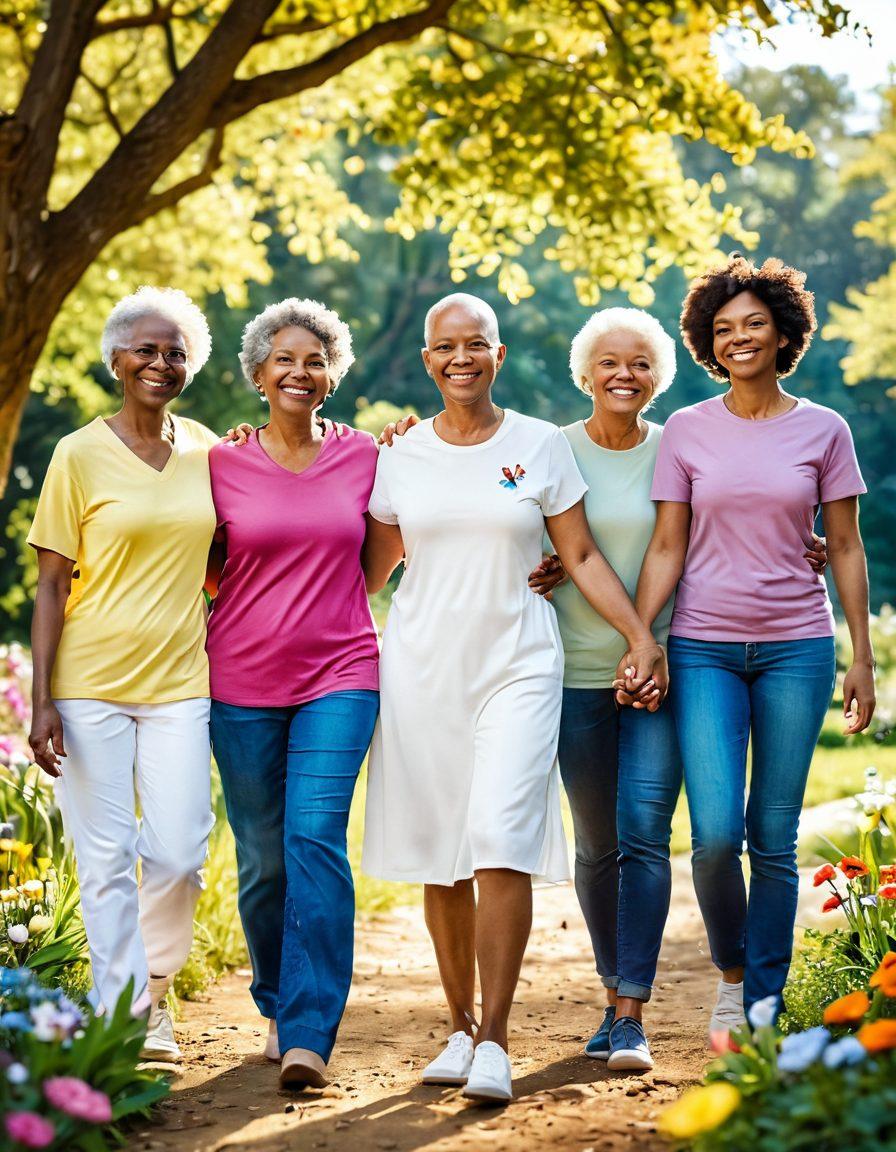
Empowering Survivors: Navigating Cancer Support, Treatments, and Wellness Strategies
Navigating your journey as a cancer survivor can often feel like traversing a winding road filled with unexpected turns and challenges. With countless decisions to make and resources to explore, where do you even begin? For many, the initial shock of a diagnosis can leave them feeling lost, but the importance of understanding your options and available support can make a world of difference. Imagine standing at a crossroads: on one side lies uncertainty, while on the other is a pathway illuminated by essential resources designed to empower your recovery. This blog aims to provide you with that light, guiding you through the multitude of patient resources, survivorship support, and wellness strategies available to you.
In an era where cancer treatment options are expanding, staying informed is your best tool for advocacy. This can't be overstated—knowledge is power, particularly in the realm of oncology. Whether it's cutting-edge cancer research news, clinical trials, or emerging therapies like immunotherapy and alternative therapies, having access to the latest health information can help you make informed decisions about your treatment plan. Have you considered how pivotal your engagement in your health journey might be? By exploring new treatment avenues alongside established options such as chemotherapy, radiation therapy, and palliative care, a tailored approach becomes not just possible but essential.
As you navigate this avenue of resources, joining support groups can offer invaluable companionship and shared experiences. Remember, you are not alone on this journey! A community engagement fosters a sense of belonging and allows you to connect with fellow survivors who truly understand what you're going through. As one cancer survivor wisely said, "Strength is not found in solitude but in the company of those who fight beside us." Leaning on others can provide the emotional and mental health support necessary to endure the highs and lows of treatment. Have you found a support network to help uplift your spirit?
Lifestyle changes play a crucial role in your survivorship, and this is where the journey takes an active turn. Implementing nutrition and exercise routines into your everyday life can vastly improve not just your physical health, but also your mental well-being. Research studies have shown that maintaining a healthy lifestyle contributes to better treatment outcomes and overall wellness. How about transforming your kitchen into a sanctuary of nourishment? Exploring healthy recipes or joining a local exercise class could be your first step toward a more vibrant life post-diagnosis. Think of these lifestyle choices not just as adjustments, but as powerful preventive measures for long-term health.
Lastly, never underestimate the power of family support on this journey. Your family can offer a unique layer of understanding and assistance that is sometimes overlooked. Whether it’s having open and honest conversations about your feelings or including them in your wellness strategies, the relational bonds you foster can serve as a major component of your survivorship support. In the face of such adversity, ask yourself: how can my loved ones be more involved in my journey? Embarking on this empowering adventure towards cancer recovery not only transforms your life but also deepens connections with those you cherish.
From Diagnosis to Wellness: Comprehensive Strategies for Support and Healing
Receiving a cancer diagnosis can feel like being thrown into a storm with no compass. Emotions swirl chaotically—fear, anxiety, sadness—but amidst all this turbulence, there is a path to be forged towards hope and healing. From the moment a diagnosis is made, individuals are not alone; there exists a tapestry of support and resources designed to navigate the complex world of oncology and cancer treatment. In this exploration from diagnosis to wellness, we will uncover comprehensive strategies for support and healing, highlighting the importance of community engagement and patient advocacy in fostering resilience.
Think back to that well-known quote by Helen Keller: 'Alone we can do so little; together we can do so much.' This sentiment holds especially true for cancer survivors who thrive in environments where support groups and community ties flourish. These networks of survivors and caretakers share invaluable health information—insights into lifestyle changes, nutrition, exercise, and even alternative therapies that have assisted them along their journeys. By fostering these connections, one builds a safety net of emotional and practical help, enhancing the overall experience of survivorship support.
Navigating the world of cancer treatment and survivorship can also feel overwhelming; numerous options exist—from chemotherapy to immunotherapy, radiation therapy to clinical trials. The key is understanding that every journey is unique. It's not just about choosing the right medical treatment; it's about integrating holistic approaches that support mental health and well-being. Perhaps it means incorporating exercise or nutrition into daily routines or considering palliative care options that can provide comfort and improve quality of life during treatment. Each of these decisions is an important part of the narrative of healing.
Let's not forget the statistics—early detection dramatically improves outcomes for many cancer types, according to research studies. Being proactive about health is paramount; thus, it’s essential to stay informed regarding cancer awareness initiatives. Regular screenings and understanding cancer risks can serve as preventive measures for individuals, enabling them to take charge of their health journeys. Additionally, those actively engaged with patient resources can empower themselves to make informed choices that resonate with their own values and lives.
As we dive deeper into the world of survivorship, it becomes clear that the fight against cancer is not only a battle of the body but also of the mind. Embracing a mindset of healing and growth can transform an individual’s experience. Whether it's sharing stories at a support group, celebrating milestones, or finding solace in community events, the journey from diagnosis to wellness is a deeply shared experience. Remember, the next time you feel the weight of your diagnosis, you're not just battling cancer alone; you’re part of a much larger story. Let’s continue to lift each other up—because together, we can navigate the winding road to recovery and well-being.
Empowerment Through Knowledge: Discovering Cancer Treatments and Lifelong Wellness
In the world of cancer, the journey is often fraught with uncertainty and emotion. However, knowledge can be a powerful ally. As survivors and their families navigate the complexities of oncology, understanding cancer treatment options is crucial. From chemotherapy and radiation therapy to innovative immunotherapy and alternative therapies, each path is filled with possibilities. Empowerment comes from not just receiving treatment, but from comprehending the purpose behind every choice made. What if, instead of feeling overwhelmed, you felt informed and equipped to advocate for your own health?
Imagine standing at the crossroads of cancer care—on one side lies a myriad of treatment options like chemotherapy and clinical trials, while the other represents wellness strategies encompassing nutrition, exercise, and mental health. Life after a diagnosis often means making significant lifestyle changes, integrating wellness into everyday life. The statistics on survivorship are promising, with more people thriving post-treatment. What if making proactive choices could enhance your quality of life and foster a sense of community engagement?
In the spirit of cancer awareness, patient resources are essential for gaining insights into cancer research news and discovering therapies that best align with one’s needs. By participating in support groups or community health blog discussions, individuals can share experiences, glean wisdom, and find solace among those who understand. The path to recovery is not solitary; rather, it thrives on social connections and active support. With a wealth of resources at their fingertips, patients can initiate meaningful conversations that promote advocacy for their well-being.
Long-term wellness in the context of cancer survivorship encompasses more than just the physical aspects. Holistic approaches consider emotional resilience and mental health, focusing on the importance of family support. Families often play a pivotal role in patient advocacy, aiding in the identification of preventive measures that could ward off recurrence. The conversation on wellness broadens when we ask: how can community engagement and lifestyle changes create an environment that fosters healing?
Ultimately, empowerment through knowledge is about fostering an informed approach to cancer treatment and wellness. Whether through research studies that shine light on new therapies or engaging with patient resources that outline preventive measures, survivors are better equipped to navigate their health journeys. As we come together to share experiences and support one another, the message is clear: no one has to fight this battle alone. So, what steps can you take today to elevate your understanding and reclaim your power in the face of cancer?